Young women contemplate plastic surgery to keep their edge in the corporate world

Young women contemplate plastic surgery to keep their edge in the corporate world.

Demand for lifts rising quickly, 2011 statistics show – Related Stories – NAIFA SmartBrief

Demand for lifts rising quickly, 2011 statistics show – Related Stories – NAIFA SmartBrief.

University of Maryland face transplant may be the most extensive – Related Stories – Plastic Surgery SmartBrief

University of Maryland face transplant may be the most extensive – Related Stories – Plastic Surgery SmartBrief.

No age limit for plastic surgery?

No age limit for plastic surgery?.

When 60 is the new 50, hand rejuvenation is the finishing touch

When 60 is the new 50, hand rejuvenation is the finishing touch.

Plastic surgery patient demographics are changing

Plastic surgery patient demographics are changing – Related Stories – Plastic Surgery SmartBrief.

Doctors propose ban on plastic surgery advertising in the UK

Should plastic surgery advertising be banned?  Read the article and tell us how you feel on the topic!  Open for discussion.


Doctors propose ban on plastic surgery advertising in the UK.

Teen turns to plastic surgery to cope with bullying

Teen turns to plastic surgery to cope with bullying.

Eileen – My New Smile | Project Beauty

Brought to you by The American Society For Aesthetic Plastic Surgery and Project Beauty


Eileen – My New Smile | Project Beauty.

Statistics Show That Plastic Surgery is Rebounding Despite the Economy

THE ECONOMY
Plastic Surgery as Economic Indicator
By BRAD TUTTLE | @bradrtuttle | February 14, 2012 |
1

inShare
31

VERONIQUE BERANGER / GETTY IMAGES
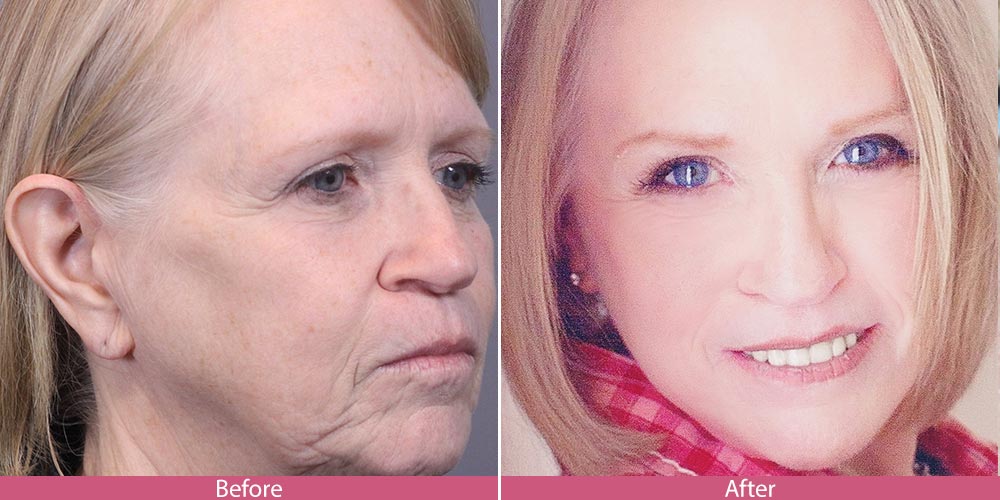
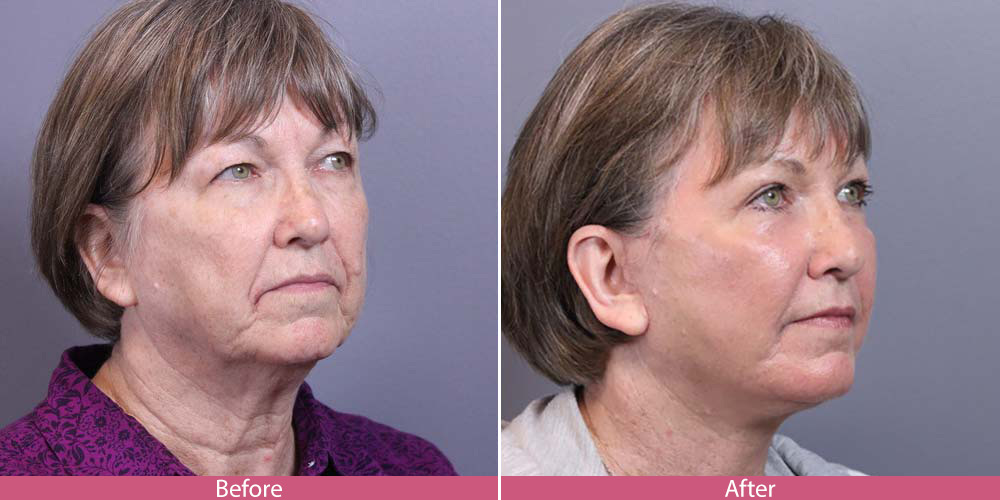
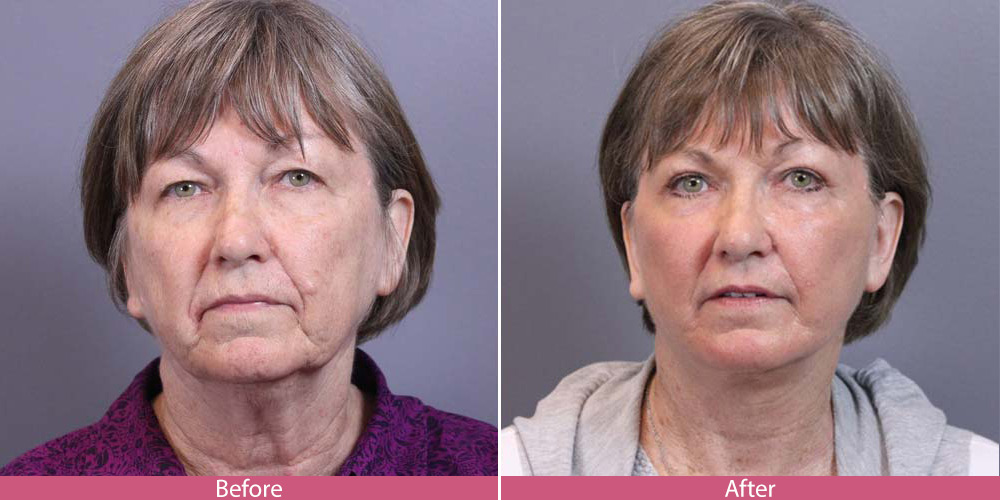
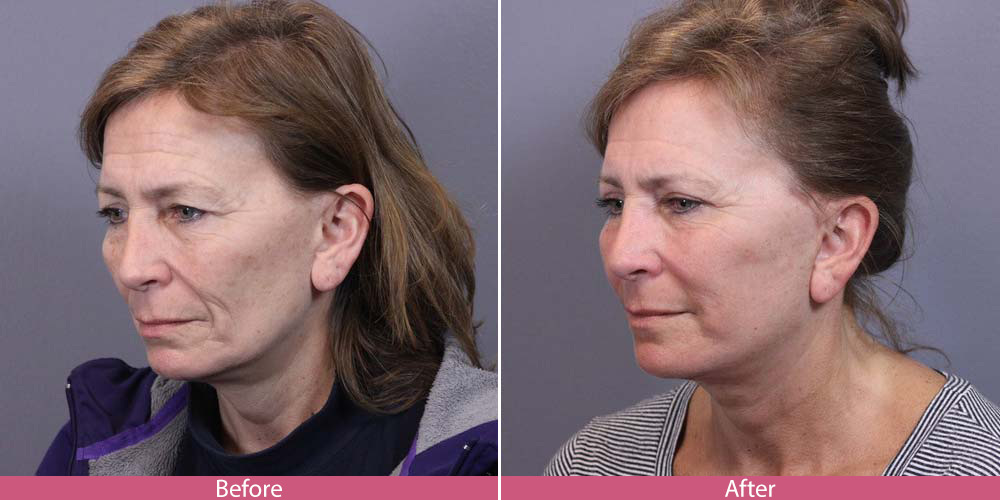
Most plastic surgery procedures are considered non-essential, or elective—as in, the patient can elect to have work done, just don’t expect health insurance to cover it. Or as in: When the economy’s shaky and money is tight, it makes sense that fewer people elect to spend out of pocket for boob jobs, facelifts, and the like, mostly because they don’t have the money to spend. The fact that elective cosmetic procedures rose by 5% last year could be viewed as an indication that the economy is recovering.

If you look hard enough at the data, you can find manifestations of the economy’s wellbeing just about anywhere. How often parents change kids’ diapers, and sales of everything from men’s underwear to hard liquor have been construed as indicators of the state of the economy.

(MORE: Cheers! Increase in Liquor Sales Bodes Well for Economic Recovery)

During the heart of the recession, one sign of the times was that people were scaling back by opting for cheaper cosmetic surgeries instead of pricier procedures. Last year, reports USA Today, the American Society of Plastic Surgeons (ASPS) statistics reveal that there was a 5% increase in overall cosmetic procedures, including a 2% rise in surgeries and a 6% rise in minimally-invasive procedures such as Botox, compared to 2010.

The ASPS’s press release welcomed the news, but at the same time the organization’s president, Dr. Malcolm Z. Roth, admitted that “the overall growth in cosmetic procedures is being primarily driven by a substantial rise in minimally-invasive procedures.”

The way in which cosmetic procedures are rising, then, may be an indication of continued economic struggle, with consumers electing to go with cheaper procedures (chemical peels, Botox, laser hair removal) partly because they don’t have the money for invasive, big-ticket surgeries like rhinoplasty, a.k.a., nose jobs, which were actually down 3% last year.

For that matter, none of the five most popular cosmetic surgeries for 2011 (breast augmentation, eyelid surgery, facelift, liposuction, nose reshaping) grew significantly for the year, experiencing increases in numbers of 5% or less. And in two cases (nose reshaping, eyelid surgery), there were more surgeries in 2010 than there were last year.

(MORE: The Science of Animal Friendships)

The growth areas for plastic surgery, if you will, are for pectoral implants, buttock implants, buttock lifts, cheek implants, lip augmentation, and chin augmentation. All of these surgeries experienced an increase of 38% or more in 2011.

Overall, though, the plastic surgery business is down quite a bit compared its booming, pre-recession heyday. In 2005, an all-time record of 2.1 million cosmetic surgeries were performed in the U.S. Last year, there were about 1.58 million such surgeries, a rise of 2% from the year before—but down by about half a million from six years prior.

I guess that’s one way we’ll all be able to tell when the economy is faring better: We’ll be able to see it directly on the non-expressive faces of people all around us.

Brad Tuttle is a reporter at TIME. Find him on Twitter at @bradrtuttle. You can also continue the discussion on TIME’s Facebook page and on Twitter at @TIME.

Read other related stories about this:
Plastic surgery numbers rise with economy, stay below peak USA Today
Related Topics: American Society of Plastic Surgeons, breast augmentation, cosmetic surgery, doctors, health care, health insurance, nose job, plastic surgery, rhinoplasty, Economics & Policy, Odd Spending, Saving & Spending, The Economy

Read more: http://moneyland.time.com/2012/02/14/plastic-surgery-as-economic-indicator/#ixzz1msoQ0BQ9

Follow

Get every new post delivered to your Inbox.